Down the Kennebec
Settle and let the river help.
A downriver swim can feel fast. Settle your rhythm rather than racing the first minutes.
Settle by 300 m. Swim your own line.
Race Intelligence · Augusta, ME, United States
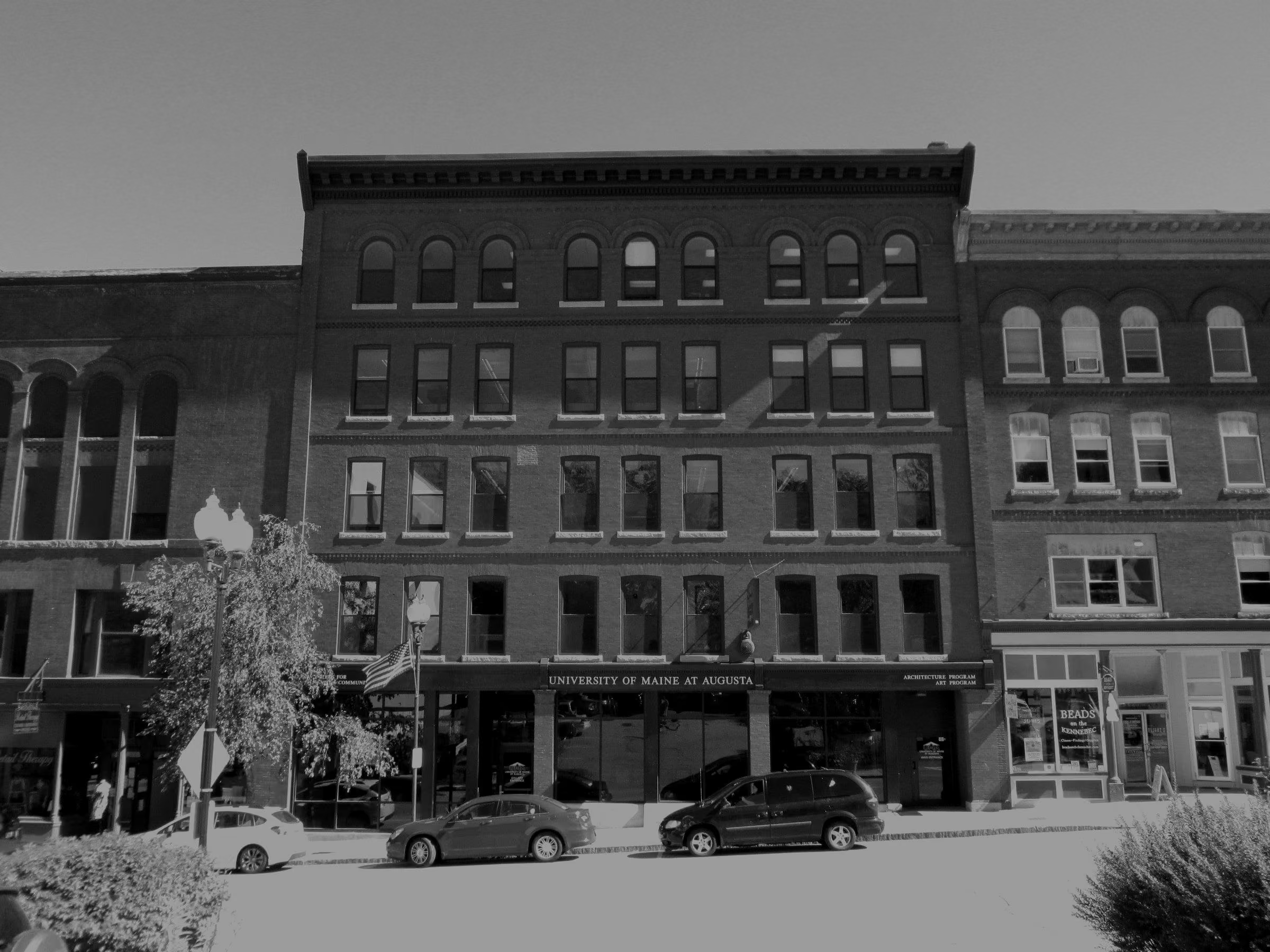
The Journal Building, Water Street, Augusta.
Your day in Augusta
I’m Tom, the coach behind Sense Endurance Coaching. Tell me where you are now and I’ll show you what a strong day in Augusta could look like.
The course behind your race
The Kennebec gives most athletes a quick swim. The challenging bike that follows decides whether the rolling run is a race or a survival effort.
Down the Kennebec
A downriver swim can feel fast. Settle your rhythm rather than racing the first minutes.
Settle by 300 m. Swim your own line.
First half
The course is described as challenging. Hold your power ceiling and fuel early.
Cap opening power. Fuel early.
Second half
Keep effort steady to the end and finish your planned nutrition.
Hold effort steady. Finish nutrition before T2.
First half
Use the opening kilometres to settle after the bike before deciding pace.
Shorten stride on rises. Take aid on schedule.
Finish
Progress only once form has held through the first half.
Check posture. Choose the last move late.
A race-day forecast is not meaningful yet; check back closer to the event.
Historical baseline, 2019–2025 · Open-Meteo historical archive · Updated 2026-10-27.Historical comparison only. This is not a forecast for 2027.
Make your finish prediction and I can send this plan to you in race week.
Prepare for Augusta
A finish range gives you something to work towards. The preparation is specific to this race: the athlete can pace a challenging bike by effort after a quick river swim and keep enough in reserve for a rolling half marathon.
I’m Tom. With Sense Endurance Coaching, I’ll build that preparation around your life, follow how you respond and adjust the work as you get closer to Augusta.
Explore coachingTraining on your own? See half distance plans
Method
