
Triathlon Training Articles
Long-form articles on training, race execution, and the decisions that move the needle for age-group athletes. No supplement reviews. No marginal gains theatre. Just the stuff that actually matters when you're training on limited hours with a real race on the calendar.
New here? Start with these guides:
• The Time-Crunched Triathlete: Maximising Limited Training Hours
• Why You’re Not Getting Faster: The Forgotten Role of Technical Skills in Triathlon
• Full Distance Race Strategy: Calm Execution Beats Chaos
• Strength Training for Triathletes: Build Strength and Crush Races

Alanis Siffert Won Roth With Principles You Can Use
Alanis Siffert switched off her power meter mid-race and won Challenge Roth on feel. As a Trisutto-trained coach, I expand on what her win confirms about effort, mechanics, and the principles built to survive a limited training week.

Brick Training for Triathletes: How to Do It Right
Most age-group triathletes either skip brick sessions entirely or treat them as punishment. The bike-to-run crossover is a coordination problem, and it has a specific solution, but only if the sessions are structured with that in mind. This article covers the physiology, the formats, and the audit that tells you where the real problem is.

Triathlon Transitions: The Fourth Discipline
Most age-groupers lose two to five minutes in T1 and T2 every race. Here is the physiology behind why both transitions feel disorienting, the order of operations that removes the wasted time, and the training that makes it automatic.

The Noise in the Kitchen: A Practical Guide to Training Nutrition
Most age-groupers eat the same thing on a rest day as they do on a threshold day, skip meals before early sessions, and spend money on supplements that replace nothing a fridge full of real food cannot do better. Here is what training nutrition actually looks like when you strip the noise away.

Signal over Noise
The endurance industry is crawling with Fixers: people with a surplus of opinions and a total deficit of skin in the game. They will sell you a ceramic pulley wheel, a ketone ester, and a wind-tunnel-tested aero bottle before they ever suggest you just ride your bike consistently. The hardest part of modern performance isn't the physical load. It's the mental discipline to say "no" to the noise.

The Myth of the Bleeding Hero: Redefining Greatness for the Age-Group Triathlete
The endurance world loves the romance of suffering, but pushing through pain doesn't make an amateur athlete great. It just breaks them. A breakdown of the biological toll of 'toughing it out' and why the ultimate competitive advantage is leaving your ego at the door.

The ‘No-Nonsense’ Gear Manifesto: Equipment That Actually Survives the Sport
We face a paradox in triathlon: as equipment becomes more "advanced," it becomes less robust. From bikes that can't survive a flight to "wellness" metrics that convince you you're tired before you even start, we are stuck in a "Gear Trap." In this deep dive, we explore why the fastest equipment is actually the stuff that works every single time.

Structuring Your Season: The Science of A, B, and C Races
Racing without a strategic structure is biological trauma without a plan. How to use A, B, and C races to organise your season and peak when it matters.

Ironman 70.3 Race Strategy: Pace to Run Well
Most bad 70.3 runs are paid for on the bike, usually in small, stupid ways that felt “fine” at the time. Overbiking in a 70.3 rarely looks dramatic. It shows up as little surges into wind, pushing climbs to “hold speed”, coasting and punching out of corners, and letting adrenaline decide the first third of the ride. This Ironman 70.3 race strategy breaks down how to pace the bike to run well, with two pacing frameworks (power and HR, plus Easy / Moderate / Medium / Mad), a T2 to 5 km execution plan, fuelling targets that match the pacing, and the warning signs that tell you to correct early. Controlled work buys you a run you can use.

Run Off The Bike: Fix The First 10 Minutes
If you want to run off the bike well, you don’t need more suffering. You need less chaos. The first 10 minutes off the bike are a messy handover: your body is switching movement patterns under load, your pacing brain is overexcited, and your legs feel heavy after cycling even when the pace looks “easy”.

When Motivation Is Gone: A Practical Playbook
When motivation disappears, it’s rarely a character flaw. It’s a signal that your body or brain is in debt. This playbook shows how to triage the problem using simple markers, reduce training friction, and apply a minimum effective dose week that protects fitness without digging a deeper hole.

Form Under Fatigue: How To Keep Moving Well When It Really Matters
Form under fatigue is the difference between racing well and falling apart. This piece shows how to keep your swim stroke, bike position, and run mechanics intact when you’re tired, and how to train it without turning every week into a survival test.

Coming Back After Time Off: Why You Don’t Need to Start From Zero
Time off is part of real life as an age group triathlete. You don’t restart from zero, but you also don’t get to pretend nothing changed. This piece gives you a simple way to return to training without panic volume, hero sessions, or chasing old numbers too soon.

Mental Fatigue, Life Stress, And Why Your “Fresh” Legs Still Feel Heavy
Most age-groupers blame tired legs on fitness, but the real limiter is often a tired brain and a life that never lets up. This article unpacks central fatigue, life stress and poor sleep, and shows you how to use honest self-monitoring, better communication and smarter training structure to actually feel ready to perform.

Keeping Joy and Longevity in Triathlon: Why Athletes Burn Out Young, and How Age-Groupers Can Stay in the Sport for Decades
Athletes are retiring younger, not because they are weak but because sport can swallow everything. This article unpacks burnout, identity and joy in triathlon, and shows how age-groupers can protect their love of the sport and stay in it for decades, not just seasons.

What To Do in Winter – Off‑Season Triathlon Training Principles
Winter is not a five month hiatus or a time for aimless base miles. Here we treat the off-season as a strategic reset, building discipline-specific strength, sharpening skills, using indoor and outdoor sessions intelligently, and avoiding the common winter mistakes that leave triathletes flat by spring.

Training with Rhythm: Female Physiology and Triathlon Performance (Part 2)
A practical guide to training with rhythm. Pacing, strength work, fuelling and recovery choices that fit real weeks, plus how to adjust when your body is not playing along. Useful if you’re tired of guessing.

Training with Rhythm: Female Physiology and Triathlon Performance (Part 1)
I discuss women's triathlon training, addressing common misconceptions and the significance of tailored approaches. Even though women have unique physiological characteristics, effective training principles like consistency and adaptation remain constant.
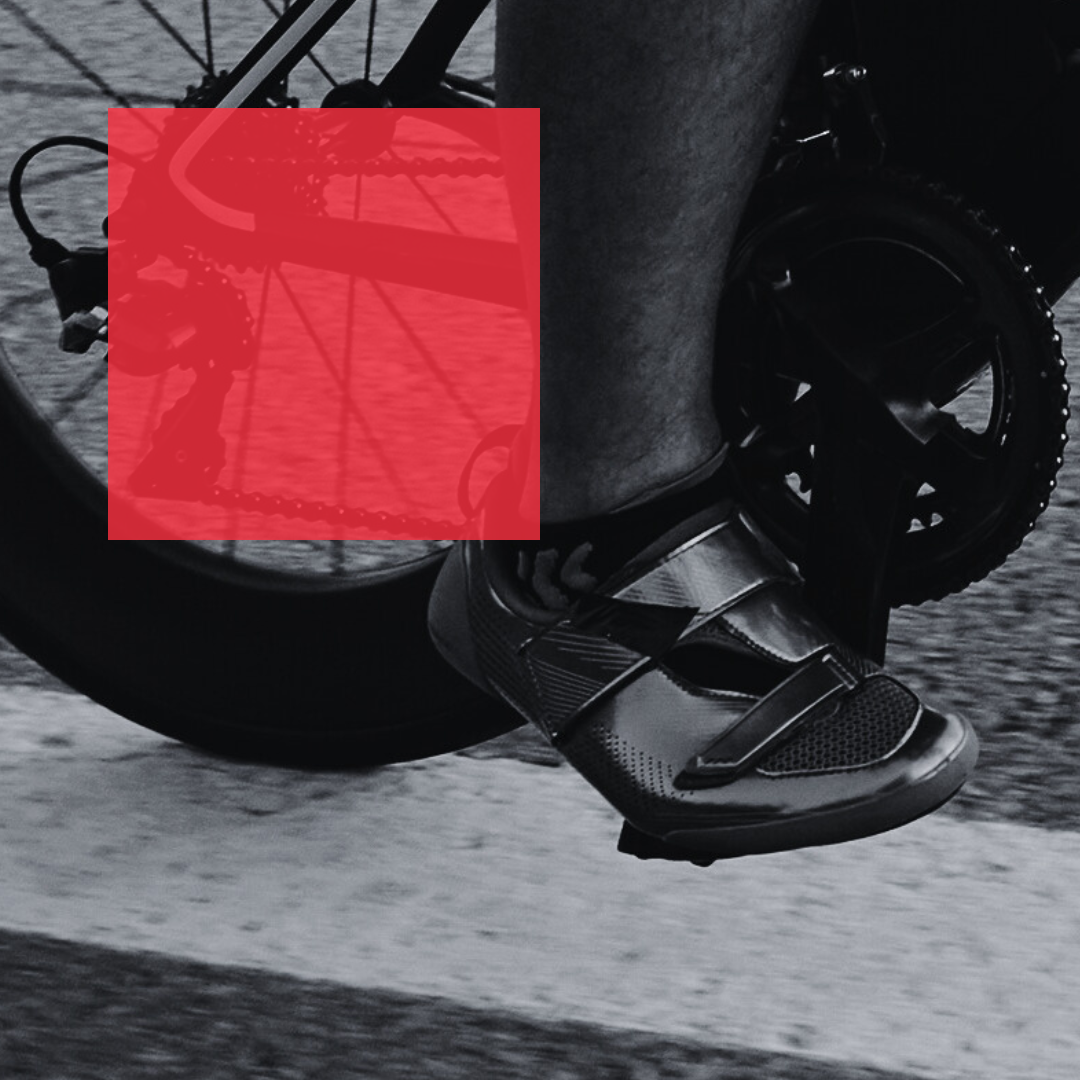
Big-Gear Done Right: A Triathlete’s Guide to Low-Cadence Strength
Many triathletes benefit from low-cadence strength training, which involves pedaling at a lower RPM in a higher gear to build muscular endurance and fatigue resistance. This training enhances power, efficiency, and neuromuscular coordination, helping athletes perform better during races, especially in challenging conditions. Consistent, structured workouts are key to gaining these advantages.

How to Train For and Race Short-Course Triathlons
Sprint and Olympic racing demands intensity, not just fitness. How to train specifically, pace each discipline, and use transitions as free speed.