
Triathlon Training Articles
Long-form articles on training, race execution, and the decisions that move the needle for age-group athletes. No supplement reviews. No marginal gains theatre. Just the stuff that actually matters when you're training on limited hours with a real race on the calendar.
New here? Start with these guides:
• The Time-Crunched Triathlete: Maximising Limited Training Hours
• Why You’re Not Getting Faster: The Forgotten Role of Technical Skills in Triathlon
• Full Distance Race Strategy: Calm Execution Beats Chaos
• Strength Training for Triathletes: Build Strength and Crush Races

How Many Hours a Week Do You Really Need to Train for a Triathlon?
You almost certainly need fewer hours than you fear. Real weekly training ranges for every triathlon distance, and why what you do inside the hours matters far more than the total.

Alanis Siffert Won Roth With Principles You Can Use
Alanis Siffert switched off her power meter mid-race and won Challenge Roth on feel. As a Trisutto-trained coach, I expand on what her win confirms about effort, mechanics, and the principles built to survive a limited training week.

Dehydration: What's Actually True, and What's Just Sold to You
Most of what you believe about dehydration came from a marketing department. The real science on fluid loss, sodium, and why a sweat test might be solving a problem most age-groupers don't actually have. Read this before your next hot race.

Triathlon Run Technique: What Holds Under Fatigue
Most triathletes work on run technique when they're fresh. The version that needs to hold comes off the back of a long bike, with inhibited glutes, shortened hip flexors, and a posture already primed to collapse. This is what the mechanics actually look like in that context, and how to train them accordingly.

Brick Training for Triathletes: How to Do It Right
Most age-group triathletes either skip brick sessions entirely or treat them as punishment. The bike-to-run crossover is a coordination problem, and it has a specific solution, but only if the sessions are structured with that in mind. This article covers the physiology, the formats, and the audit that tells you where the real problem is.

Triathlon Transitions: The Fourth Discipline
Most age-groupers lose two to five minutes in T1 and T2 every race. Here is the physiology behind why both transitions feel disorienting, the order of operations that removes the wasted time, and the training that makes it automatic.

Your Race Week, Done Right
Most athletes taper too long, cut too much, and arrive at the start line flat rather than sharp. This is what race week preparation actually looks like when the structure is right: why volume holds through mid-week, why intensity stays in until the final days, and how the seven days before your race either confirm the training or quietly chip away at it.

Structuring Your Season: The Science of A, B, and C Races
Racing without a strategic structure is biological trauma without a plan. How to use A, B, and C races to organise your season and peak when it matters.

Open Water Swimming Tactics: Sighting, Drafting, and Race Execution
The transition from the pool to open water is where most age-groupers lose their race before it begins. It is not about fitness. It is about the cost of transport. Here is how to fix your navigation, drafting, and starts without adding volume.

Ironman 70.3 Race Strategy: Pace to Run Well
Most bad 70.3 runs are paid for on the bike, usually in small, stupid ways that felt “fine” at the time. Overbiking in a 70.3 rarely looks dramatic. It shows up as little surges into wind, pushing climbs to “hold speed”, coasting and punching out of corners, and letting adrenaline decide the first third of the ride. This Ironman 70.3 race strategy breaks down how to pace the bike to run well, with two pacing frameworks (power and HR, plus Easy / Moderate / Medium / Mad), a T2 to 5 km execution plan, fuelling targets that match the pacing, and the warning signs that tell you to correct early. Controlled work buys you a run you can use.

Run Off The Bike: Fix The First 10 Minutes
If you want to run off the bike well, you don’t need more suffering. You need less chaos. The first 10 minutes off the bike are a messy handover: your body is switching movement patterns under load, your pacing brain is overexcited, and your legs feel heavy after cycling even when the pace looks “easy”.

Form Under Fatigue: How To Keep Moving Well When It Really Matters
Form under fatigue is the difference between racing well and falling apart. This piece shows how to keep your swim stroke, bike position, and run mechanics intact when you’re tired, and how to train it without turning every week into a survival test.
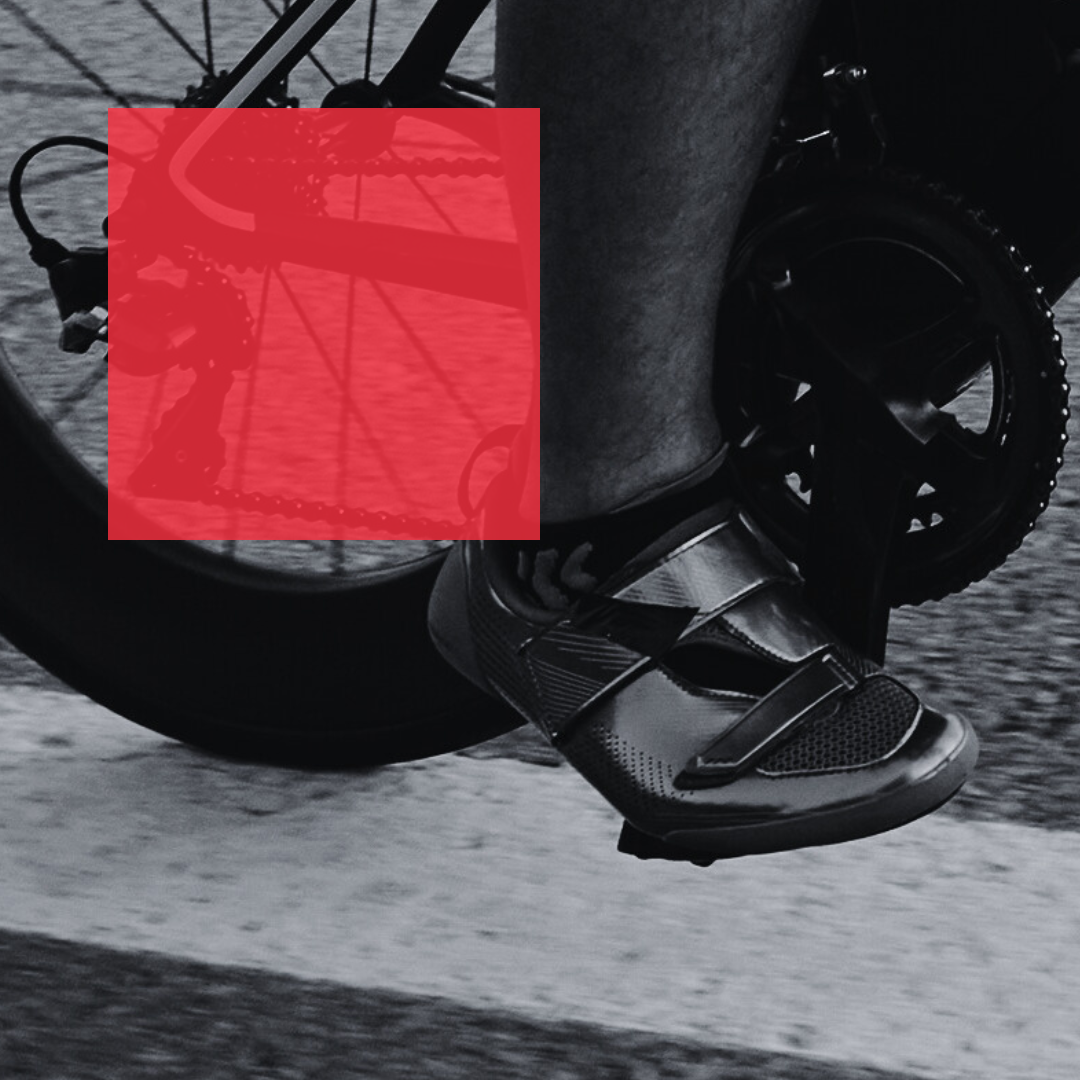
Big-Gear Done Right: A Triathlete’s Guide to Low-Cadence Strength
Many triathletes benefit from low-cadence strength training, which involves pedaling at a lower RPM in a higher gear to build muscular endurance and fatigue resistance. This training enhances power, efficiency, and neuromuscular coordination, helping athletes perform better during races, especially in challenging conditions. Consistent, structured workouts are key to gaining these advantages.

How to Train For and Race Short-Course Triathlons
Sprint and Olympic racing demands intensity, not just fitness. How to train specifically, pace each discipline, and use transitions as free speed.

The Mental Trap of Always Feeling Fit
Fitness and freshness are not the same thing. Why chasing the feeling of fitness in training produces the grey zone, and how to read what flat actually means.

How to Nail Your First Triathlon Without Drowning, Crashing, or Bonking
Preparing for your first triathlon involves focused training in swim, bike, and run disciplines to improve performance without unnecessary fatigue. Key strategies include practicing in open water, smart pacing on the bike, and integrating brick workouts for run adaptation. Nutrition, effective transitions, and mental toughness are essential for race day success.

The Missing Ingredient in Athlete Development: Pressure
The key to breaking performance plateaus in triathlon training lies in applying purposeful pressure rather than simply increasing volume. Athletes must step outside their comfort zones, embracing physical, technical, psychological, and ego-based pressures to foster adaptation and resilience. This approach transforms stagnation into growth, enhancing preparation for race-day challenges.

Challenge Roth – What Racing There Is Really Like
Roth stands out as a unique triathlon experience, drawing athletes for its festival-like atmosphere. However, the race week can overwhelm with distractions, making planning essential. Success relies on discipline, adaptability, and avoiding the temptation to expend energy too early. Athletes must balance excitement with strategy to perform well.

Why You’re Not Getting Faster: The Forgotten Role of Technical Skills in Triathlon
Triathletes often focus solely on fitness for performance but neglect technical skills, which are equally crucial. Technical deficiencies manifest under fatigue, leading to efficiency loss. This article emphasizes prioritizing technique alongside endurance training to improve race performance and prevent injuries. A mindset shift from ego-driven training to efficiency is essential for true progress.

Stuck in No-Man’s-Land: Why Triathletes Plateau and How to Break Through
Triathletes don’t plateau because they’re lazy. They plateau because almost everything they do sits in the same grey zone: not easy enough to truly recover, not specific or hard enough to force real adaptation. This article unpacks how that “no-man’s land” creeps into your swim, bike, and run, and shows you how to restructure training so you finally move the needle again.