
Triathlon Training Articles
Practical, no-nonsense articles for age-group triathletes. From time-crunched training and race strategy to strength, technique and mindset, this is where you can dive deeper into how I coach and how you can train smarter.
If you are new here or want a clear picture of how I coach, start with these guides on time-crunched training, technical skills, full distance strategy and strength work.
• The Time-Crunched Triathlete: Maximising Limited Training Hours
• Why You’re Not Getting Faster: The Forgotten Role of Technical Skills in Triathlon
• Full Distance Race Strategy: Calm Execution Beats Chaos
• Strength Training for Triathletes: Build Strength and Crush Races

Run Off The Bike: Fix The First 10 Minutes
If you want to run off the bike well, you don’t need more suffering. You need less chaos. The first 10 minutes off the bike are a messy handover: your body is switching movement patterns under load, your pacing brain is overexcited, and your legs feel heavy after cycling even when the pace looks “easy”. Fix it by riding smoother, setting up the last 5 minutes properly, keeping transition simple, and running the first minutes with quick cadence and a hard cap. Boring works. Especially when you actually do it.

When Motivation Is Gone: A Practical Playbook
When motivation disappears, it’s rarely a character flaw. It’s a signal that your body or brain is in debt. This playbook shows how to triage the problem using simple markers, reduce training friction, and apply a minimum effective dose week that protects fitness without digging a deeper hole.

Form Under Fatigue: How To Keep Moving Well When It Really Matters
Form under fatigue is the difference between racing hard and just surviving to the line. You cannot avoid getting tired in a long-course triathlon, but you can decide what your movement looks like when it happens. This article unpacks what form under fatigue actually is, why it falls apart, and how to train it when you have eight to twelve hours a week and a life outside sport, so you can keep moving well when it really counts.

Coming Back After Time Off: Why You Don’t Need to Start From Zero
Time off is part of real life as an age group triathlete. Illness, injury, work, family, pregnancy or sheer mental fatigue will all pull you away from your neat training plan at some point. The fear is always the same: “I have lost everything. I am back at zero.” This article explains why that is not how the body works.
We look at what actually detains when you stop, from the quick drop in top end aerobic capacity to slower changes in muscle, tendons and bone. Just as important, we cover what stays in place: movement skills, muscle memory, training history and the “biological capital” you have built over years in the sport.
You will get clear principles for returning to training after illness, injury, big life stress or pregnancy, with triathlon specific guidance on how to use swim, bike and run in the right order. The emphasis is simple: avoid big spikes, respect the slowest adapting tissues, and let steady weeks rebuild rhythm instead of chasing a heroic comeback.
By the end, you will have a grounded way to think about time off and a practical framework for your return, so you can stop panicking about lost fitness and start training sensibly again.

Mental Fatigue, Life Stress, And Why Your “Fresh” Legs Still Feel Heavy
Most age-groupers blame tired legs on fitness, but the real limiter is often a tired brain and a life that never lets up. This article unpacks central fatigue, life stress and poor sleep, and shows you how to use honest self-monitoring, better communication and smarter training structure to actually feel ready to perform.

Keeping Joy and Longevity in Triathlon: Why Athletes Burn Out Young, and How Age-Groupers Can Stay in the Sport for Decades
Athletes are retiring younger, not because they are weak but because sport can swallow everything. This article unpacks burnout, identity and joy in triathlon, and shows how age-groupers can protect their love of the sport and stay in it for decades, not just seasons.

What To Do in Winter – Off‑Season Triathlon Training Principles
Winter is not a five month hiatus or a time for aimless base miles. Here we treat the off-season as a strategic reset, building discipline-specific strength, sharpening skills, using indoor and outdoor sessions intelligently, and avoiding the common winter mistakes that leave triathletes flat by spring.

New Site, Lessons Learned in Triathlon Coaching & What’s New for 2026
2025 was a year of big steps for Sense Endurance on the race course and behind the scenes. This piece reflects on the key coaching lessons from the squad, shares athlete stories, and sets out what is new for 2026 – a sharper site, refined coaching offers, and training plans built around real lives.

The Quiet Athlete: Winning Without Needing to Prove It
The article emphasizes the significance of quiet confidence in endurance sports, highlighting the difference between "secure" and "insecure" athletes. It outlines principles such as consistency, maintaining form under fatigue, and repetitive mastery as keys to success. Ultimately, it advocates for a calm and focused approach to both training and racing.

Training with Rhythm: Female Physiology and Triathlon Performance (Part 2)
In this article, I discuss practical training strategies for female triathletes, focusing on pacing, strength, fuelling, and recovery. It highlights the importance of listening to one's body, adapting training to hormonal fluctuations, and maintaining consistent strength work.

Training with Rhythm: Female Physiology and Triathlon Performance (Part 1)
I discuss women's triathlon training, addressing common misconceptions and the significance of tailored approaches. Even though women have unique physiological characteristics, effective training principles like consistency and adaptation remain constant.
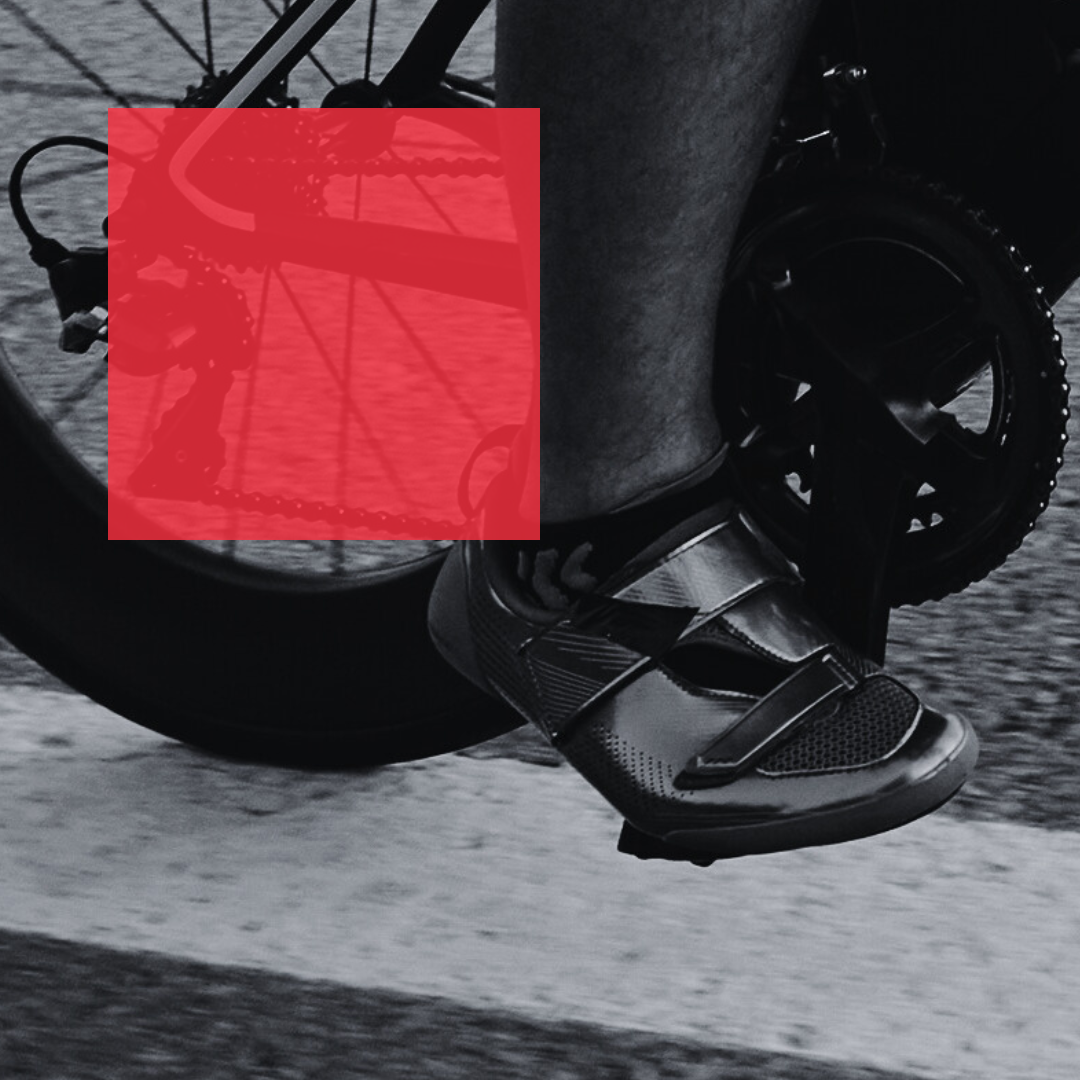
Big-Gear Done Right: A Triathlete’s Guide to Low-Cadence Strength
Many triathletes benefit from low-cadence strength training, which involves pedaling at a lower RPM in a higher gear to build muscular endurance and fatigue resistance. This training enhances power, efficiency, and neuromuscular coordination, helping athletes perform better during races, especially in challenging conditions. Consistent, structured workouts are key to gaining these advantages.

What to Expect from Sense Endurance Coaching
My coaching programme offers personalised training with unlimited communication and tailored plans focussed on performance. Athletes receive regular updates, honest feedback, and support on various aspects affecting their training. My coaching emphasises adaptability, mental preparedness, and a straightforward, no-fluff philosophy to help athletes achieve their goals effectively and confidently.

How to Train For and Race Short-Course Triathlons
Short-course triathlons, like Sprint and Olympic distances, require unique strategies distinct from Ironman events due to their high intensity and shorter duration. This guide addresses training principles, race execution, and common mistakes. Incorporating short-course racing enhances speed, tactical skills, and mental resilience, benefiting long-course performances while fostering enjoyment in triathlon.

After the Finish Line: A Coach’s Guide to Navigating the Post-Race Period
Finishing a triathlon is a significant accomplishment, but the post-race phase demands attention. Athletes often face emotional lows, physical fatigue, and uncertainty about future goals. Effective recovery involves acknowledging feelings, reframing perspectives, avoiding common mistakes, and planning wisely for upcoming training cycles. Prioritizing recovery leads to long-term athletic success.

The Mental Trap of Always Feeling Fit
Competitive triathletes often feel pressured to maintain peak performance daily, experiencing panic when fatigue sets in. This article emphasizes that feeling flat is normal during training and part of the adaptation process. By understanding the psychological and physiological aspects, athletes can embrace these valleys for long-term development and avoid the pitfalls of chasing constant freshness.

Serious Fun: Why Play Matters in Triathlon
This article emphasizes the essential role of play in endurance sports, particularly triathlon. While training is often serious, incorporating playful elements fuels intrinsic motivation, enhances physical and motor skills, and combats burnout. Balancing discipline with enjoyment can elevate performance and sustain passion, redefining the athlete's experience toward a joyful pursuit of goals.

How to Nail Your First Triathlon Without Drowning, Crashing, or Bonking
Preparing for your first triathlon involves focused training in swim, bike, and run disciplines to improve performance without unnecessary fatigue. Key strategies include practicing in open water, smart pacing on the bike, and integrating brick workouts for run adaptation. Nutrition, effective transitions, and mental toughness are essential for race day success.

You 're Not a Norwegian Triathlete — And You Shouldn't Train Like One
The Norwegian Method in triathlon emphasizes high-volume training, double-threshold sessions, and precise data monitoring, leading to Olympic success. While effective for professionals, age-group athletes risk injury and burnout if they mimic this approach. Understanding the principles and personalizing training within real-life constraints promotes sustainable improvement without unnecessary complexity.

The Missing Ingredient in Athlete Development: Pressure
The key to breaking performance plateaus in triathlon training lies in applying purposeful pressure rather than simply increasing volume. Athletes must step outside their comfort zones, embracing physical, technical, psychological, and ego-based pressures to foster adaptation and resilience. This approach transforms stagnation into growth, enhancing preparation for race-day challenges.